
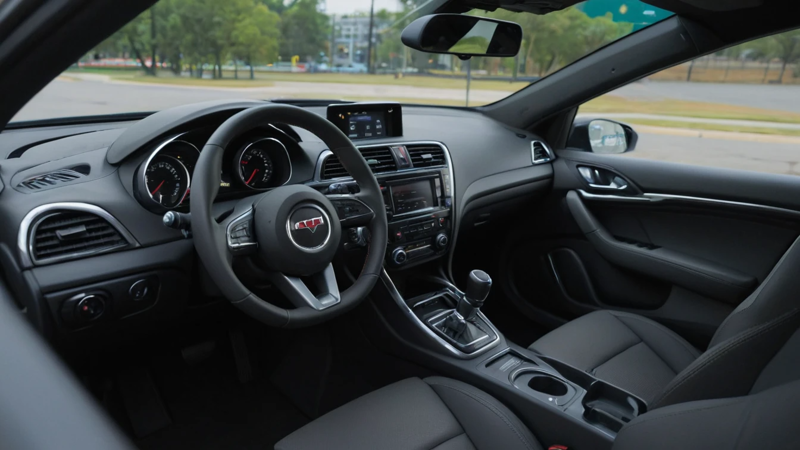
How to drive a manual car step by step with easy tips for beginners. Learn clutch control, gear shifting, hill starts, and smooth driving fast.
Learning how to drive a manual car starts with understanding the clutch, gears, and timing. With practice, smooth gear changes and confident driving become second nature. Manual driving gives you more control, better road awareness, and a more connected driving experience.
How To Drive A Manual Car 🚗
Have you ever watched someone smoothly drive a manual car and wondered, “How do they make it look so easy?” At first, driving a stick shift can feel confusing. There are pedals, gears, and the fear of stalling in traffic 😅. But once you understand the basics, driving a manual car becomes fun, rewarding, and surprisingly simple.
A manual car uses a clutch pedal and gear stick instead of an automatic transmission. You control when the car changes gears. This gives you better control over speed, power, and fuel efficiency. Many drivers also feel more connected to the road while driving a manual vehicle.
The key is learning the correct sequence. Press the clutch, shift gears, and slowly release the clutch while using the accelerator. Once your muscle memory develops, everything starts feeling natural.
Understand The Parts Of A Manual Car 🔧
Before driving, you need to know the basic controls inside a manual car. A manual vehicle has three pedals instead of two. From left to right, they are the clutch, brake, and accelerator.
The clutch pedal is the most important difference. It disconnects the engine from the wheels while you change gears. The gear stick controls gear selection, while the handbrake keeps the car stationary when parked.
Here’s a simple breakdown:
| Control | Purpose |
| Clutch Pedal | Engages and disengages engine power |
| Brake Pedal | Slows or stops the car |
| Accelerator | Increases speed |
| Gear Stick | Changes gears |
| Handbrake | Prevents rolling when parked |
Understanding these controls helps reduce anxiety before you even start driving.
Learn What The Clutch Actually Does ⚙️
Many beginners fear the clutch because it feels tricky at first. In reality, the clutch simply connects and disconnects engine power to the wheels. When you press the clutch pedal, the engine temporarily stops driving the wheels.
This allows you to change gears safely. Releasing the clutch too quickly can cause the car to stall. Releasing it too slowly can wear the clutch over time.
The “biting point” is where the clutch starts transferring power to the wheels. Learning this point is the biggest step toward mastering manual driving. Once you feel it, your confidence grows quickly.
Adjust Your Seat And Mirrors Properly 🪞
A good driving position makes manual driving much easier. Sit close enough so your left foot can fully press the clutch pedal without stretching. Your knees should remain slightly bent.
Adjust the steering wheel so your hands feel relaxed. Your mirrors should clearly show the road behind and beside you. A comfortable setup improves reaction time and reduces fatigue.
Many beginner mistakes happen because drivers sit too far back. Proper posture gives you better clutch control and smoother gear shifts.
Start The Car The Right Way 🔑
Starting a manual car is slightly different from starting an automatic. First, make sure the gear stick is in neutral. Most drivers wiggle the stick gently to confirm this.
Next, press the clutch pedal fully before turning the key or pressing the ignition button. This prevents the car from moving unexpectedly. Then start the engine normally.
Before moving, keep your right foot on the brake. Release the handbrake only when you are ready to drive.
How To Move Forward Smoothly 🚘
This is the moment most beginners worry about. Thankfully, it becomes easy with practice. Start by pressing the clutch fully and shifting into first gear.
Slowly release the clutch until you feel the car slightly vibrate or move forward. This is the biting point. At the same time, gently press the accelerator.
Avoid rushing this process. Smooth coordination matters more than speed. Once the car starts moving steadily, fully release the clutch.
Common Beginner Mistakes
- Releasing the clutch too fast
- Pressing too much gas
- Looking down at the gear stick
- Forgetting to release the handbrake
- Panicking after a stall 😬
Even experienced drivers stalled when they first learned. Practice is the secret.
Know When To Change Gears 🔄
Manual cars require you to shift gears based on speed and engine sound. Lower gears provide more power, while higher gears improve efficiency at faster speeds.
Most cars follow this general pattern:
| Gear | Typical Speed Range |
| 1st Gear | 0–10 mph |
| 2nd Gear | 10–20 mph |
| 3rd Gear | 20–30 mph |
| 4th Gear | 30–45 mph |
| 5th Gear | 45+ mph |
Listen to the engine while driving. If the engine sounds loud and strained, shift up. If the car struggles or shakes, shift down.
With time, gear changes become automatic in your mind.
Practice Smooth Upshifting 👍
Upshifting means moving into a higher gear as speed increases. To do this smoothly, release the accelerator slightly and press the clutch fully.
Move the gear stick into the next gear. Then slowly release the clutch while gently pressing the accelerator again. Timing matters here.
Jerky movements usually happen because beginners release the clutch too quickly. Relax your movements and stay calm. Smooth shifting creates a more comfortable ride for everyone.
Learn How To Downshift Safely ⬇️
Downshifting happens when you slow down or need more power. For example, you may downshift before climbing a hill or turning sharply.
Press the clutch fully, shift into a lower gear, and release the clutch smoothly. Good downshifting prevents the engine from struggling.
Some drivers also use engine braking while downshifting. This helps control speed without overusing the brakes.
“A smooth driver is not the fastest driver. It’s the driver who controls the car calmly and confidently.” 🚗
How To Stop A Manual Car Correctly 🛑
Stopping a manual car requires coordination between the brake and clutch. Begin by pressing the brake pedal gently. As the car slows significantly, press the clutch fully.
This prevents the engine from stalling. Shift into neutral if you plan to stop for more than a few seconds.
When parking, apply the handbrake securely. Many drivers also leave the car in first gear when parked on a slope for extra safety.
Master Hill Starts Without Rolling Back ⛰️
Hill starts can feel intimidating for beginners. The fear of rolling backward often causes panic. Fortunately, there’s a simple method that works well.
Keep the handbrake engaged while stopped on the hill. Press the clutch and shift into first gear. Slowly release the clutch until you reach the biting point.
Then gently press the accelerator while releasing the handbrake. The car should move forward smoothly without rolling backward.
Helpful Hill Start Tips
- Stay calm and avoid rushing
- Practice on small hills first
- Learn your clutch biting point well
- Use enough gas without over-revving
- Keep practicing consistently 💪
Hill starts become much easier after a few attempts.
Reverse A Manual Car Carefully 🔙
Reversing a manual car requires patience and slow movements. Press the clutch fully before shifting into reverse gear. Some vehicles require pushing the gear stick downward first.
Use minimal accelerator pressure while reversing. Many manual cars can reverse slowly using clutch control alone.
Always check mirrors and blind spots carefully. Reverse slowly and steadily rather than rushing.
Avoid Common Manual Driving Mistakes ❌
Every beginner makes mistakes while learning stick shift driving. The key is recognizing and correcting them early.
One common mistake is resting your foot on the clutch pedal. This is called “riding the clutch” and can wear it out quickly. Another issue is holding the gear stick constantly while driving.
Here are more habits to avoid:
| Mistake | Why It’s Bad |
| Riding The Clutch | Causes clutch wear |
| Coasting In Neutral | Reduces vehicle control |
| Shifting Too Early | Engine may struggle |
| Over-Revving | Wastes fuel |
| Looking At Gears | Distracts from road |
Good habits make manual driving safer and smoother.
Drive In Traffic With Confidence 🚦
Heavy traffic can feel stressful in a manual car because of constant clutch use. The secret is staying patient and maintaining safe spacing.
Move slowly using clutch control in stop-and-go traffic. Avoid sudden acceleration and braking. Smooth driving reduces fatigue and improves comfort.
Traffic also becomes easier when you predict movement ahead. Experienced manual drivers focus on steady flow instead of reacting suddenly.
Learn Parking Techniques For Manual Cars 🅿️
Parking a manual car includes a few extra safety steps. Once parked, shift into neutral and apply the handbrake firmly.
If parked on an incline, leave the car in first gear or reverse gear. This prevents rolling if the handbrake fails.
Parallel parking becomes easier with practice. Slow clutch control gives you better precision during tight parking maneuvers.
Understand Why Manual Cars Stall 😵
Stalling happens when the engine loses power due to improper clutch control. This usually occurs when the clutch is released too quickly without enough acceleration.
Don’t panic if the car stalls. Simply press the clutch, restart the engine, and try again. Stalling is a normal part of learning.
Most new drivers stop stalling frequently after consistent practice. Confidence grows naturally over time.
Build Confidence Through Practice 🛣️
The best way to learn manual driving is through repetition. Start in an empty parking lot or quiet road. Practice starting, stopping, and shifting repeatedly.
As your confidence improves, move into busier roads gradually. Focus on smoothness rather than speed. Driving calmly helps you learn faster.
Many people learn manual driving in just a few days. Mastery may take weeks, but every session improves your skills.
Simple Practice Routine
- Practice clutch control daily
- Learn first gear thoroughly
- Drive on quiet streets first
- Practice hill starts often
- Stay relaxed and patient 😊
Consistency matters more than long practice sessions.
Benefits Of Driving A Manual Car 🌟
Learning to drive a manual car offers several advantages. Many drivers enjoy the feeling of control and engagement. Manual cars are often cheaper to maintain as well.
They can also provide better fuel economy in some situations. In certain regions, manual vehicles are more common and affordable.
Here are some major benefits:
- Better vehicle control
- Improved driving awareness
- Often lower repair costs
- More engaging driving experience
- Easier to drive different vehicle types
Knowing how to drive manual also gives you greater flexibility when traveling or renting cars abroad.
Manual Vs Automatic: Which Is Better? 🤔
Both manual and automatic cars have advantages. Automatic vehicles are easier in heavy traffic, while manual cars offer more control and involvement.
Manual cars may feel harder at first, but many drivers eventually prefer them. They can also improve your understanding of how vehicles work.
Your choice depends on your driving style, location, and comfort level. Still, learning manual driving is a valuable skill even if you later drive automatic cars.
Conclusion 🎯
Learning how to drive a manual car may seem difficult at first, but it becomes much easier with practice. The biggest challenge is mastering clutch control and smooth gear changes. Once you understand the rhythm, driving a stick shift feels natural and enjoyable.
Start slowly, stay patient, and focus on consistency. Every experienced driver once struggled with stalling and shifting too. Over time, your confidence will grow, and manual driving will feel second nature.
The more you practice, the smoother and safer your driving becomes. Soon, you’ll enjoy the freedom and control that manual cars offer every day 🚗💨
FAQs
How Long Does It Take To Learn Manual Driving?
Most beginners learn the basics within a few days. Becoming fully comfortable may take several weeks. Regular practice speeds up the learning process.
Is Driving A Manual Car Hard For Beginners?
It feels challenging at first because of clutch coordination. However, most people improve quickly with practice. Patience and repetition are the keys to success.
Can A Manual Car Roll Back On Hills?
Yes, manual cars can roll backward if not controlled properly. Using the handbrake and clutch biting point prevents this. Practice hill starts regularly for confidence.
Why Does My Manual Car Keep Stalling?
Stalling usually happens when the clutch is released too quickly. Insufficient acceleration can also cause it. Learning clutch control solves this issue over time.
Is Manual Driving Better Than Automatic Cars?
Manual driving offers more control and engagement for many drivers. Automatic cars are easier in traffic and for beginners. Both options have unique advantages depending on your needs.

