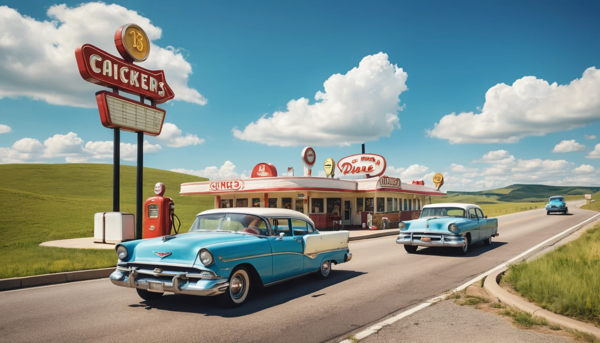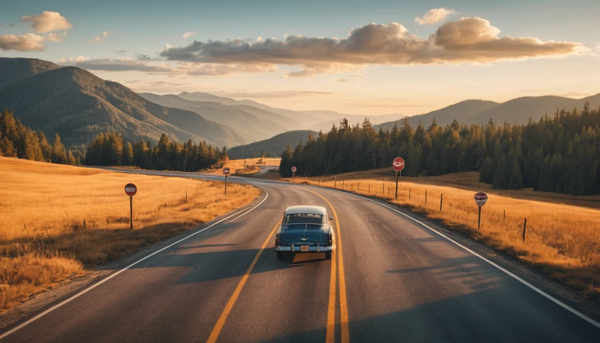
How to plan a cross-country driving route with confidence. Use this simple guide for a fun, efficient, and unforgettable road trip journey.
How to Plan a Cross-Country Driving Route 🚗💨
Ever dreamt of driving coast to coast, but not sure where to start? You’re not alone. Planning a cross-country road trip can feel overwhelming. But don’t worry. This guide has you covered, whether you’re driving for adventure, a move, or a family vacation.
Let’s break it all down step by step. You can hit the road with confidence, excitement, and a solid plan. 🌎
Decide Why You’re Going 🚦
Before choosing any route, get clear on your “why.” Are you chasing epic national parks? Trying to visit family? Relocating? Your purpose will shape the path.
- Adventure seekers might prioritize scenic byways and quirky attractions.
- Families might want smoother highways with frequent rest stops.
- Time-sensitive travelers should focus on direct interstate routes.
Your goal helps narrow down the best route options. It saves time in decision-making.
Set a Realistic Timeframe ⏱️
Time is your biggest planning factor. Cross-country trips usually take at least 4–6 days one-way if driving 6–8 hours daily. Here’s a sample:
| Days Available | Type of Route | Travel Style |
|---|---|---|
| 4–5 | Direct Interstate | Fast, Few Stops |
| 6–10 | Mixed Route | Balance Fun & Speed |
| 11+ | Scenic & Leisurely | Explore Deeply |
Plan with some wiggle room. You’ll want the freedom to explore, rest, or take detours.
Choose the Start and End Points 🗺️
Pick a clear starting location and final destination. If you’re flexible, think in terms of iconic route combos:
- LA to NYC (West to East)
- Seattle to Miami (Northwest to Southeast)
- Chicago to San Francisco (Midwest to West Coast)
Knowing both points allows you to visualize your full journey. You can estimate mileage and map fuel or lodging stops more accurately.
Select Your Main Route 🛣️
Now it’s time to pick your main travel corridor. The U.S. offers legendary choices:
- I-80 – Fastest coast-to-coast (San Francisco to NYC)
- Route 66 – Classic Americana vibes
- I-10 – Southern warmth and culture
- I-90 – Scenic northern landscapes
Want the best of both worlds? Combine interstates with state highways or U.S. routes for hidden gems.
Plot Major Stops & Attractions 📍
Add structure with key overnight stops or must-see places. Use travel apps or Google Maps to identify:
- National or state parks
- Historical landmarks
- Big cities or small-town detours
- Famous roadside diners or museums
Aim for a big highlight every 300–400 miles. This keeps morale high and boredom low.
Use Reliable Mapping Tools 🧭
Planning isn’t complete without good tools:
- Google My Maps – Create and customize your entire trip visually.
- Roadtrippers – Ideal for discovering fun stops along the way.
- Waze or Google Maps – Best for live traffic during the drive.
Stay flexible—sometimes a slight reroute can lead to an unforgettable experience.
Consider Weather and Seasons ☀️❄️
Weather can make or break your road trip. Always check seasonal conditions:
| Season | Best Routes | Considerations |
| Spring | Route 66, I-10 | Wildflowers, fewer crowds |
| Summer | Northern I-90/I-94 | Avoid southern heat |
| Fall | Blue Ridge Parkway | Gorgeous foliage views |
| Winter | I-10 Southern Corridor | Avoid snowy mountain passes |
Pack clothes for different climates. ☔🧤🧢
Budget Your Road Trip 💵
Money matters. Here’s a quick budgeting chart:
| Expense Category | Estimated Cost (Per Day) |
| Gas | $50–$80 |
| Lodging | $70–$150 |
| Food | $30–$60 |
| Entertainment | $20–$40 |
To save money:
- Camp or car sleep occasionally.
- Use gas price apps.
- Pack snacks and a cooler.
- Opt for free attractions.
Plan for Rest and Sleep 😴
Don’t skimp on sleep. Tired driving is dangerous. Pre-book hotels or safe campgrounds.
- Aim for 7–8 hours of sleep per night.
- Switch drivers often if traveling in pairs.
- Rest every 2–3 hours to stretch, snack, and refresh.
Better rest = better experience. 🛏️✨
Prepare Your Vehicle for the Long Haul 🔧
Get a full inspection before leaving:
- Oil change
- Tire rotation & pressure check
- Brake inspection
- Wiper blades & fluid
- Emergency kit stocked (jumper cables, flashlight, etc.)
A reliable car is the heart of your road trip. 🚙❤️
Pack Smart but Light 🎒
Pack like a minimalist:
- Clothing layers for changing weather
- Toiletries & hygiene gear
- First-aid kit
- Snacks & water
- Entertainment (books, playlists, games)
Pro tip: Use packing cubes to keep things tidy.
Download Offline Essentials 📲
Cell signal will vanish in remote areas. Download before you go:
- Google Maps offline
- Podcasts and playlists
- Audiobooks or road trip trivia
- Emergency numbers or PDFs of your itinerary
Offline prep = smooth driving no matter where you are.
Plan for Food and Fuel Stops 🍔⛽
Food and gas stations aren’t always near. Use apps to plan:
- GasBuddy – Cheapest fuel options
- Yelp – Hidden food gems
- Truck stop finders – Great for clean restrooms and snacks
Keep an extra water bottle and granola bar handy just in case.
Expect the Unexpected 🎲
Flat tire? Closed road? Rainstorm? These things happen.
Tips to stay calm:
- Build buffer time into your schedule
- Have a backup credit card or cash
- Share your itinerary with someone back home
The detours often make the best stories.
Track Your Memories 📸
Capture your journey:
- Daily journal entries
- Photos or videos
- Postcards from each major stop
- Social media updates
Looking back, you’ll be glad you documented everything. 😊
Final Thoughts 🎯
Planning a cross-country driving route doesn’t have to be stressful. With the right tools, flexible thinking, and a touch of wanderlust, your adventure can be unforgettable.
Stay safe, drive smart, and make every mile count. You’ve got this.
FAQs
How do I plan a cross-country trip with stops? Use Roadtrippers or Google My Maps to mark stops, then adjust route and time based on interest level.
What’s the safest cross-country driving route? Stick to major interstates like I-10 or I-40 in winter for safety and services.
How much money do I need for a road trip? Budget $150–$250 per day depending on your travel style and number of people.
How many days does a cross-country drive take? A typical trip takes 5–10 days with 6–8 hours of driving each day.
What is the best cross-country route for sightseeing? Try Route 66 or mix interstates with scenic byways like Blue Ridge Parkway.