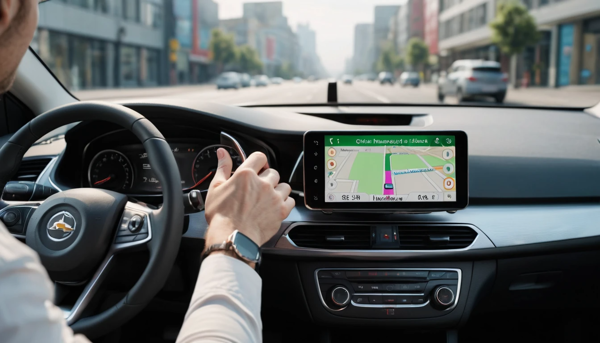
What are the hands-free driving laws? Learn the key rules, fines, and safety tips for every U.S. state in this friendly, easy-to-read guide.
What Are the Hands-Free Driving Laws? 🚗📵
Ever grabbed your phone at a red light and thought, “It’s fine—I’m not even moving”?
Well… not so fast.
Hands-free driving laws across the U.S. are stricter than ever. They’re about keeping your eyes on the road, your hands on the wheel, and your mind focused on driving—at all times.
In this complete guide, we’ll cover everything you need to know about hands-free driving laws. We’ll talk about what’s allowed, what’s not, penalties by state, and smart tips to stay legal and safe behind the wheel.
Let’s dive in.
What Is a Hands-Free Driving Law? 🛑
A hands-free driving law bans drivers from physically holding or operating mobile devices while driving.
Here’s the quick definition:
Drivers cannot hold a phone, send texts, watch videos, or scroll social media while driving. If you must use your phone, it must be hands-free—via voice commands, Bluetooth, or mounted devices.
Hands-free laws don’t just apply when your vehicle is moving. They can apply:
- While stopped at traffic lights
- In construction or school zones
- During emergencies if you’re not calling 911
Why Were These Laws Created? ⚠️
The short answer? To save lives.
Distracted driving has become a leading cause of serious crashes in the U.S.
Top reasons for hands-free laws:
- Reduce fatal accidents caused by phone distractions
- Discourage drivers from texting while driving
- Improve road safety for pedestrians and cyclists
- Prevent multitasking while operating a vehicle
📊 According to the NHTSA, over 3,000 lives are lost each year due to distracted driving in the U.S.
What Counts As “Hands-Free”? 🤔
Not sure if your setup qualifies as hands-free? Let’s make it clear.
| Allowed (Hands-Free) ✅ | Not Allowed (Handheld) ❌ |
|---|---|
| Using voice assistants (Siri, Google) | Holding phone while driving |
| Dashboard-mounted phone holders | Texting, scrolling, or swiping |
| Bluetooth calls | Watching videos or live streams |
| Built-in car navigation systems | Holding phone at stoplights |
If your phone’s in your hand—even briefly—it’s not hands-free.
Are Hands-Free Laws the Same in Every State? 🗺️
Nope! Each U.S. state sets its own laws, which means what’s legal in Texas might get you fined in Georgia.
Let’s look at the breakdown.
States with Strict Hands-Free Laws 📋
These states prohibit holding a phone at all, regardless of use:
- Georgia
- California
- Illinois
- New Hampshire
- Tennessee
- Vermont
- Hawaii
- New York
- Oregon
- Washington
In these places, only hands-free usage is allowed—even at red lights.
States with Partial Restrictions 🚦
Some states ban certain activities like texting, but allow phone calls if you’re not a new driver:
| State | Texting Ban | Handheld Calls Allowed? |
|---|---|---|
| Florida | Yes | Yes (except school zones) |
| Arizona | Yes | No |
| South Dakota | Yes | Yes |
| Nebraska | Yes | Yes |
Note: laws are evolving quickly, so always check your local DMV site.
States Without Full Bans 😬
A few states have no universal handheld ban, but distracted driving can be punished under reckless driving laws.
Examples include:
- Montana
- Missouri (as of July 2025, legislation is pending)
- South Carolina (local bans in place)
What Are the Penalties for Breaking the Law? 💸
Penalties vary, but here’s a general idea:
| Violation Type | Average Fine 💵 | Points on License 📇 |
|---|---|---|
| First Offense | $50–$150 | 1–2 points |
| Second Offense | $100–$250 | 2–3 points |
| School Zone Violation | $200–$500 | Possible suspension |
Repeat offenders can face higher fines, license suspension, or even jail time in some states.
What About Drivers Under 18? 👶
Most states have stricter rules for young drivers. If you’re under 18 (or have a learner’s permit), you may not be allowed to:
- Use any device, even hands-free
- Make calls or send texts
- Use navigation unless it’s pre-programmed
✋ Tip: If you’re a teen driver, just keep your phone in the glove box. It’s safer—and legal.
What Happens If You Use Your Phone at a Red Light? 🚦📱
In many states, it’s illegal.
Here’s the rule: if you’re on a public road and the car is in drive, you’re considered “actively operating” the vehicle. That includes:
- Waiting at red lights
- Stuck in traffic
- Paused at a stop sign
Some states allow limited use if the vehicle is in park, but that’s not always the case.
Can You Use Your Phone for GPS While Driving? 🗺️
Yes—but only if it’s mounted or voice-activated.
Here’s what’s okay:
- Entering your route before you start driving
- Using turn-by-turn navigation with voice directions
- Glancing at the screen without touching it
What’s not okay:
- Typing in an address while driving
- Holding the phone in your hand to follow a map
🚘 Use your car’s infotainment system or a secure phone mount.
Are There Exceptions to the Law? ☎️
Yes, there are a few. You can use your phone:
- To call 911 or emergency services
- If you’re a first responder
- While parked off the road (not at a light)
- In vehicles with built-in communication systems
Just remember, “emergency” doesn’t mean calling your friend because you’re late for dinner. 😉
How to Go Fully Hands-Free 📱🙌
Want to avoid tickets and stay safe? Here are some easy tips:
- Get a phone mount for your dash or windshield
- Use voice assistants like Siri or Google Assistant
- Pre-set your playlist or podcast before driving
- Turn on Do Not Disturb while driving
- Use Bluetooth or your car’s built-in system
Hands-Free Tech That Helps 🧠
Here’s a look at smart tools that can help you stay compliant and focused.
| Tool or Feature | What It Does |
|---|---|
| Bluetooth headset | Allows calls without holding phone |
| Voice-activated texting | Sends messages using your voice |
| Do Not Disturb mode | Silences notifications while driving |
| Dashboard camera | Records traffic behavior |
| CarPlay / Android Auto | Hands-free access to music & maps |
Why Hands-Free Laws Matter in 2025 🧾
You’d think we’d have figured it all out by now. But distracted driving remains a huge issue. Even with hands-free tech, drivers can get distracted mentally.
That’s why the law is just one part of the solution.
It’s also about changing habits, staying present, and putting safety above convenience.
Conclusion: Drive Smart, Drive Safe 💡
So, what are the hands-free driving laws really all about?
They’re not just about fines or rules. They’re about preventing crashes, saving lives. They help us make better choices while driving.
Quick Recap:
- Most states ban holding your phone while driving
- Hands-free means using your phone by voice or mounting it
- Laws differ by state, and penalties can be high
- Using your phone at a red light can get you fined
- Switch to safe, smart driving habits today
👉 Ready to go hands-free? Your car—and everyone else on the road—will thank you.
FAQs
Can I use my phone at a red light without getting fined?
No, most states treat red lights like active driving. It’s illegal.
Is Bluetooth use legal while driving?
Yes, using Bluetooth for calls or audio is legal in most states.
Do hands-free laws apply to GPS use too?
Yes, unless your GPS is voice-activated or mounted, it’s illegal to use while driving.
Are hands-free laws the same in every U.S. state?
No, laws vary by state. Some are stricter than others.
Can I hold my phone while stopped in traffic?
No. If your car is in drive and on a public road, it’s considered driving.
References
https://www.nhtsa.gov/risky-driving/distracted-driving
https://www.ghsa.org/issues/distracted-driving-laws
https://www.ncsl.org/transportation/distracted-driving-laws