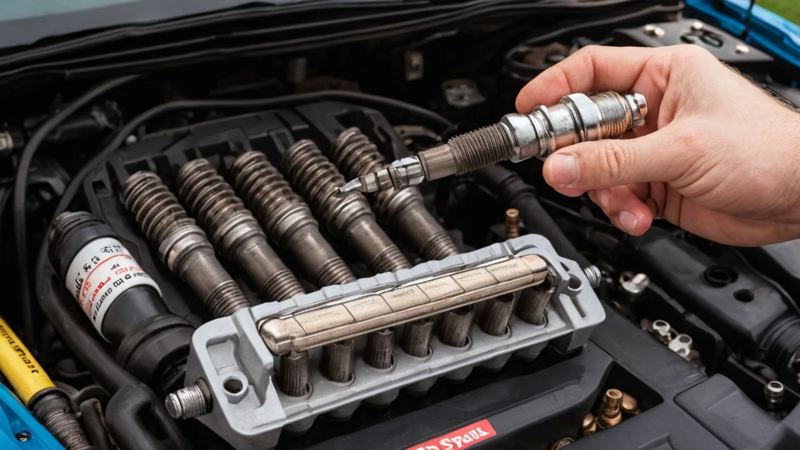
How to check your power steering fluid easily at home. Save time and money with this simple, step-by-step car care guide.
How to Check Your Power Steering Fluid – Easy DIY Guide 🚗
Ever heard a strange whining noise when turning your steering wheel? Or maybe it feels harder to steer? 🧐 That could be your power steering system crying for help—and more importantly, it might be low on fluid.
Knowing how to check your power steering fluid is a quick, simple skill. It can save you from expensive repairs. Whether you’re driving an older car or a newer one, this five-minute check could keep your steering smooth and your wallet happy.
Let’s get under the hood and learn how to spot the signs, read the dipstick, and top things off the right way. 💡
What Is Power Steering Fluid? 🛢️
Power steering fluid is a hydraulic fluid that helps your steering system work smoothly. It reduces the effort needed to turn the wheel.
Without enough fluid, your steering could:
- Feel stiff or jerky
- Make squealing or grinding noises
- Lead to pump damage or failure
So yeah—it’s kind of a big deal. 😬
Why It’s Important To Check It Regularly
Just like engine oil or brake fluid, power steering fluid needs regular checkups. Over time, it can get dirty or leak, putting strain on your car.
Regular checks help you:
- Catch leaks early
- Avoid steering system damage
- Keep control of your car
- Save on costly repairs
Pro tip: If your steering feels weird, check this first before heading to the mechanic.
How Often Should You Check It? ⏰
Check your power steering fluid:
- Every month (recommended)
- Before long road trips
- Anytime steering feels off
If your vehicle is older or has high mileage, check more often. Some newer cars may have electric power steering and don’t use fluid at all. Always check your owner’s manual first!
Signs Your Fluid Might Be Low 🚩
Here are some red flags you shouldn’t ignore:
- Steering feels stiff or slow
- Whining or moaning noises while turning
- Fluid leaks under the car
- Squeaky noises during cold starts
- Burning smell from the engine bay
If you see or hear any of these signs, it’s time for a quick fluid check. 🔧
What You’ll Need 🧰
Don’t worry—you don’t need to be a mechanic. You’ll only need:
- Clean rag or paper towels
- Flashlight (optional, for low light)
- Owner’s manual
- Power steering fluid (if topping off)
Step-by-Step: How to Check Your Power Steering Fluid 🔍
Here’s the easy way to do it in 5 minutes:
1. Park Safely and Turn Off the Engine
Let the engine cool down before checking. Park on a level surface and pop the hood.
2. Locate the Power Steering Reservoir
Look for a small plastic or metal reservoir. It may be labeled “Power Steering” or have a steering wheel icon on the cap.
Table: Where To Find The Reservoir In Popular Car Brands
| Car Brand | Common Location | Reservoir Type |
|---|---|---|
| Toyota | Near the firewall, left side | Transparent plastic |
| Ford | Near the front, passenger side | Metal w/ dipstick cap |
| Honda | Near firewall, right side | Clear plastic w/ lines |
| Chevrolet | Front driver’s side | Plastic or metal |
| BMW | Close to engine, front-center | Black plastic cap |
3. Wipe the Cap Before Opening
Before you open it, clean the cap with a rag. This keeps dirt out.
4. Pull Out the Dipstick or Look at the Lines
Some caps have a dipstick. Others show MIN and MAX lines.
- If dipstick: Clean it, put it back, pull it out again
- If clear container: Just look at the level
5. Check the Level and Color
Your fluid should be:
- Between the MIN and MAX lines
- Red, pink, or light amber (new)
- Not foamy, dark, or gritty
If it’s low or dirty, you need to add or replace it.
What Does Dirty Fluid Look Like? 🧪
Clean power steering fluid is usually light red or amber. Over time, it can change:
| Fluid Color | What It Means | What To Do |
|---|---|---|
| Light Red | Healthy | You’re good to go 👍 |
| Dark Brown | Old and dirty | Flush & replace soon |
| Black | Contaminated or burnt | Flush immediately 🔥 |
| Milky or Foamy | Air or water in system | Get checked by mechanic |
How To Top Off Power Steering Fluid ✨
If your level is low and the fluid looks clean, you can top it off.
Steps to top off:
- Use only the recommended fluid (check your manual!)
- Add fluid slowly using a funnel
- Don’t overfill—stop near the MAX line
- Wipe up any spills
- Replace the cap tightly
Start the engine, turn the wheel a few times, then recheck the level.
Choosing the Right Power Steering Fluid 🧴
Not all fluids are the same. There are three main types:
- Mineral Oil-Based: Common in older vehicles
- Synthetic: Found in modern cars
- Automatic Transmission Fluid (ATF): Sometimes used instead
NEVER mix fluid types. Use only what’s listed in your owner’s manual. 🚫
Table: Recommended Fluids by Vehicle Type
| Vehicle Type | Fluid Type Suggested | Notes |
|---|---|---|
| Japanese (Toyota, Honda) | Synthetic PSF or ATF | Don’t mix brands |
| American (Ford, Chevy) | ATF or manufacturer-specific | Always check cap/manual |
| European (BMW, Audi) | Synthetic or CHF-11S | Use only OEM fluids |
When Should You Replace Power Steering Fluid? 🔄
Topping off is great—but sometimes, you need a full fluid flush.
Replace it every:
- 50,000 miles or
- 3–5 years, whichever comes first
Or sooner if fluid is dark, burnt-smelling, or contaminated.
Can You Drive With Low Power Steering Fluid?
Technically, yes—but you shouldn’t. Driving with low or no power steering fluid puts stress on the system, causing:
- Damage to the pump
- Potential steering failure
- Increased wear on components
If you’re stuck in a pinch, keep trips short and avoid sharp turns.
What If It Keeps Getting Low? 🕵️♂️
If you’re topping off fluid frequently, you might have a leak. Check for:
- Fluid stains under your car
- Wet spots on hoses or pump
- Noises when steering
Solution: Visit a mechanic ASAP to find and fix the leak. 🚗💨
What Happens If You Overfill It?
Too much fluid can cause pressure build-up, leading to:
- Leaks
- Foaming
- Seal damage
If you accidentally overfill, use a syringe or turkey baster to remove the excess.
Can You Use Transmission Fluid Instead?
Only if your car’s manual allows it. Some vehicles are designed to use ATF, but using the wrong type can damage the system.
Bottom line: When in doubt, check the cap or manual. 📘
Conclusion: Keep Your Steering Smooth & Safe 💪
Checking your power steering fluid isn’t just for car lovers or mechanics—it’s a basic skill that anyone can learn. A few minutes once a month can prevent huge repair bills and make your car safer to drive.
So next time your steering wheel acts up, you’ll know exactly what to do. Pop the hood, grab a rag, and give that fluid a quick check. You’ve got this! ✅
FAQs
How do I know if my power steering fluid is low?
If your steering feels stiff, makes noise, or you see leaks, the fluid might be low.
What color should power steering fluid be?
It should be light red, pink, or amber. Dark or black fluid needs replacing.
Where is the power steering reservoir located?
It’s usually near the engine bay—check your owner’s manual or look for the cap labeled “Power Steering.”
Can I top off power steering fluid myself?
Yes, just use the right fluid and don’t overfill. It’s a simple DIY task.
How often should power steering fluid be checked?
Check it monthly, before long trips, or whenever steering feels off.
References:
https://www.familyhandyman.com
https://www.napaonline.com
https://www.popularmechanics.com