Bad sway bar symptoms can make your car feel unstable. Learn the signs, causes, and fixes in this simple, helpful guide designed for everyday drivers.
Bad sway bar symptoms include body roll, clunking noises, poor steering response, uneven tire wear, and unstable cornering. These signs appear when the sway bar or its links wear out. Fixing them improves handling, safety, and ride comfort.
Bad Sway Bar Symptoms: Full Guide To Spot The Warning Signs 🚗
Have you ever taken a turn and felt your car lean way more than usual? Or maybe you heard a weird clunking noise from underneath your vehicle? These small moments might be telling you something important: your sway bar could be failing.
A bad sway bar affects balance, steering, and how safe your car feels on the road. When the sway bar wears out, your vehicle loses stability during turns, bumps, and lane changes. The good news? You can spot the warning signs early and avoid expensive repairs.
Let’s break down every major symptom in an easy, friendly way so you know exactly what to look for.
What Is A Sway Bar And Why It Matters 🛠️
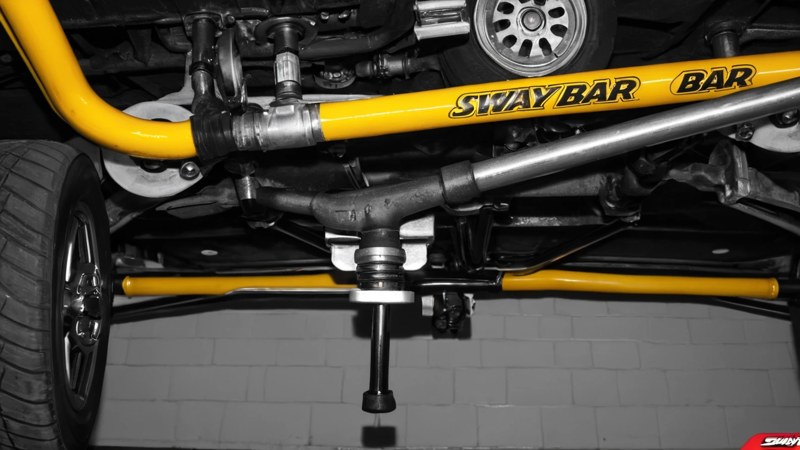
A sway bar (also called an anti-roll bar) is a metal rod connecting the left and right sides of your suspension. Its job is simple:
reduce body roll and keep your vehicle stable.
When this part weakens or breaks, your car behaves differently. You’ll feel it, hear it, and even see it in the way your tires wear.
Here’s everything you need to know.
Excessive Body Roll During Turns 🚘💨
If your car leans like a boat while turning, your sway bar might be failing. This is usually the first symptom people notice. A healthy sway bar keeps the cabin level. But when the bar or its links wear out, the body sways more than normal.
You may feel like the car is “tilting” or shifting weight suddenly. This can be scary because the vehicle loses balance. These moments get even worse when driving at higher speeds or taking long curves on highways.
A failing sway bar allows too much movement, which reduces driver confidence. If you feel unstable during turns, check your sway bar immediately.
Clunking Or Knocking Noise Over Bumps 🔧🔊
A loose sway bar link, worn bushing, or broken mount often creates a clunking sound. You’ll hear it especially when:
- Driving over speed bumps
- Entering or exiting a driveway
- Hitting a pothole
- Taking a tight turn
These parts are supposed to be tight and cushioned. But when they wear out, metal begins to move freely and hit surrounding parts. That clunking sound is your car asking for help.
A little noise today can become a big repair tomorrow if ignored.
Poor Steering Response 🏁🌀
When the sway bar weakens, the steering starts to feel loose or delayed. You might turn the wheel and feel the car react slower than normal. This happens because the suspension struggles to keep the car balanced.
Drivers often describe this problem as:
- “Floaty steering”
- “Soft handling”
- “Delayed reaction”
- “Wobbly feel”
This doesn’t just impact comfort—it affects safety, especially during sudden turns.
Vehicle Feels Unstable During Lane Changes 🚙↔️
Changing lanes should feel smooth and controlled. But with a bad sway bar, the car may shift unpredictably. You may feel a quick sway, wobble, or weight shift.
Light SUVs and taller vehicles feel this problem even more. Since the sway bar stabilizes the center of gravity, any failure makes lane changes risky.
If lane changes suddenly feel awkward or unsafe, treat it as a major warning sign.
Uneven Tire Wear 👀🛞
A failing sway bar affects suspension alignment, which affects tire contact. This causes certain areas of the tire to wear faster. You might notice:
- Inside edges thinning
- Outside edges thinning
- Strange scalloping patterns
Uneven wear means your suspension isn’t keeping the car level. Tires may not grip the road well, meaning longer braking distances and reduced control.
Tire wear speaks louder than you think—don’t ignore it.
Comparison Of Normal Vs. Bad Sway Bar Handling
| Handling Behavior | Normal Sway Bar | Bad Sway Bar |
| Cornering | Stable and controlled | Leaning and unpredictable |
| Steering | Tight and responsive | Loose or delayed |
| Body Roll | Minimal | Excessive |
| Ride Comfort | Smooth | Bouncy or unstable |
Inconsistent Ride Height (Sometimes) 🚗📉
Although not always the first symptom, a bad sway bar can contribute to uneven ride height. When suspension parts work unevenly, one side may sit slightly lower.
The difference is small—maybe half an inch—but noticeable. This happens more with broken sway bar links or bushings that fail completely.
If one side dips more when braking or turning, check your sway bar setup.
Bouncy Or Floaty Ride Feeling 🌬️🚘
Have you ever felt like your car is floating on waves? Not the good kind—more like unpredictable bouncing? This “boat-like” sensation often shows up when the sway bar bushings shrink, harden, or crack.
Bushings hold the sway bar tight. When they’re worn out:
- The bar moves too freely
- The suspension loses control
- The ride becomes bouncy
This makes long drives uncomfortable and unsafe.
Loose Sway Bar Links 🔩⚠️
Sway bar links connect the bar to the suspension. When these links loosen, they fail to transfer force. This reduces stability and creates clunking noises.
Common signs of loose links:
- Knocking when turning
- Light rattling over bumps
- Weak handling
- Tires wearing unevenly
Sometimes, the link breaks completely. In that case, your suspension acts like the sway bar doesn’t exist at all.
Dashboard Stability Control Light (Sometimes) ⚠️🚨
Modern cars may show a traction or stability warning light when the sway bar isn’t functioning properly. This happens because sensors detect body movement that doesn’t match steering input.
While this isn’t the most common symptom, it does happen in advanced vehicles. The car’s system tries to stabilize the vehicle electronically, but that only goes so far.
If the light pops on without weather issues, check the sway bar.
Common Causes Of Bad Sway Bar Symptoms
| Cause | Description |
| Worn bushings | Rubber dries and cracks, causing looseness |
| Broken links | Metal fatigue or impact damage |
| Rust | Weakens the bar over time |
| Hard impacts | Potholes or curbs causing stress |
| Age | Natural wear over years |
Sway Bar Bushing Wear Signs 🧩
Bushings play a huge role in sway bar health. When they deteriorate, the bar moves out of sync with the suspension. This leads to loud noises, weak handling, and drifting.
Signs of worn bushings:
- Squeaking noises
- Excessive vibration
- Jerky cornering
- Sudden traction loss
Bushings are inexpensive to replace but cause major issues if ignored.
Vehicle Pulling Left Or Right 🛣️➡️⬅️
A worn or disconnected sway bar affects weight distribution. Sometimes the car may pull slightly to one side. This feels like the steering wheel wants to move without your input.
While this can also be an alignment issue, a bad sway bar link can create similar symptoms. If pulling happens mostly when turning or braking, the sway bar is a prime suspect.
Sway Bar Physically Damaged Or Bent 🔍🛠️
Visual inspection can reveal cracks, bends, or rusted sections. Off-road driving, accidents, and severe potholes can damage the sway bar itself.
A bent sway bar reduces effectiveness dramatically. The more bent it becomes, the worse your handling gets. If you notice visible damage, replace it immediately.
Symptoms Checklist For Quick Diagnosis
| Symptom | Likely Cause |
| Clunking sound | Loose or broken link |
| Body roll | Weak bar or worn bushings |
| Poor steering | Worn connections |
| Bouncy ride | Failing bushings |
| Unstable lane changes | Broken link |
Higher Risk During Emergency Maneuvers 🚨
One of the most serious problems with a bad sway bar is reduced control during sudden swerves. Without proper stabilization, the car may:
- Shift weight dangerously
- Lose traction
- Lean heavily to one side
- Require longer time to regain control
This increases the risk of accidents, especially on highways.
Can You Drive With A Bad Sway Bar? 🛑
Yes, your car may still move, but it’s not safe. Handling becomes unpredictable. Emergency situations become dangerous. And other suspension parts begin to wear out faster.
Continuing to drive with sway bar issues can also affect:
- Shocks
- Struts
- Tires
- Ball joints
Repairs get more expensive the longer you wait.
How To Fix Bad Sway Bar Symptoms 🔧✔️
Most fixes are simple and affordable:
- Replace sway bar links
- Replace bushings
- Tighten loose brackets
- Replace the sway bar if cracked or bent
Most repairs take 30–60 minutes at a shop and drastically improve handling.
Conclusion: Don’t Ignore The Signs Your Sway Bar Gives You 🏁
Your sway bar plays a crucial role in keeping your car stable, comfortable, and safe. When it wears out, your vehicle tells you through noises, handling issues, and unusual movement. Spotting these symptoms early saves money and reduces driving risk.
If your car clunks, sways, or feels unstable, don’t wait. A quick inspection and simple repair can restore your confidence on the road.
FAQs
What are early signs of a bad sway bar?
Early signs include clunking noises, mild body roll, and loose steering. You may also notice uneven tire wear. These early warnings often appear before major handling issues.
Why does my car lean during turns?
Cars lean when the sway bar or its links stop stabilizing body movement. Worn bushings also cause extra leaning. Fixing these parts increases safety and comfort.
Can bad sway bar links affect steering?
Yes, worn links make the steering feel loose or delayed. The car may react slower to wheel movement. A fresh set of links restores normal steering feel.
Is it safe to drive with a broken sway bar?
Driving is possible but risky because handling becomes unpredictable. Emergency turns get harder and more dangerous. A quick repair is strongly recommended.
How much does it cost to fix sway bar problems?
Most sway bar link or bushing replacements cost $70–$150. Full sway bar replacements may cost more depending on the vehicle. Repairs are usually fast and affordable.