
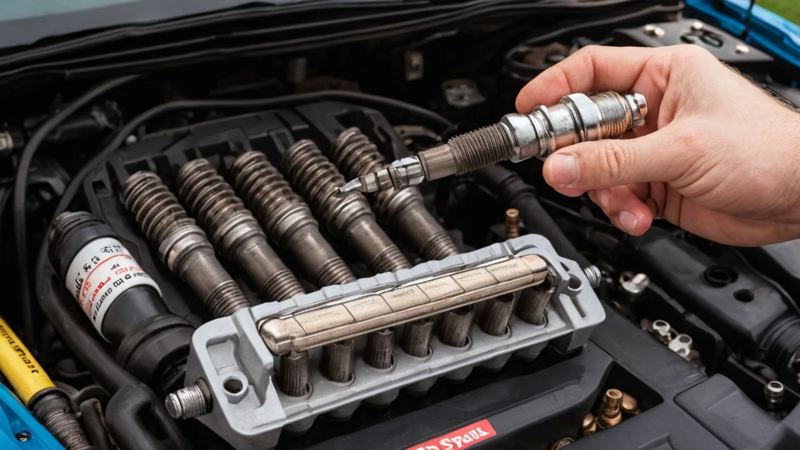
Cost to replace spark plugs ranges from $40 to $350. Learn labor costs, DIY tips, warning signs, and ways to save money fast.
The average cost to replace spark plugs ranges from $40 to $350, depending on your vehicle type, engine size, and labor charges. Basic cars cost less, while luxury vehicles and V6 or V8 engines cost more. Replacing spark plugs on time improves fuel economy, engine performance, and starting reliability.
Cost To Replace Spark Plugs 🔧💰
Have you ever noticed your car shaking, misfiring, or burning more gas than usual and wondered if tiny spark plugs could be the problem? Many drivers ignore them until engine trouble becomes expensive. The good news is that replacing spark plugs is often one of the cheapest ways to restore smooth performance. 🚗
Spark plugs are small parts, but they play a huge role in how your engine runs. They ignite the air-fuel mixture inside the engine cylinders. Without strong spark plugs, your car struggles to start and loses power quickly. That is why timely replacement matters.
Why Spark Plug Replacement Matters ⚡
Spark plugs directly affect engine efficiency and fuel combustion. When they wear out, your engine works harder than necessary. This can lead to rough idling, slow acceleration, and poor gas mileage. Drivers often mistake these signs for bigger engine problems.
Replacing old spark plugs keeps your engine healthy and responsive. It also helps reduce emissions and prevents long-term engine damage. A simple replacement today can save hundreds in future repair costs. That makes spark plugs one of the smartest maintenance investments.
Modern vehicles rely heavily on proper ignition timing. Faulty plugs interrupt that timing and create inconsistent performance. If ignored for too long, worn plugs can damage ignition coils and catalytic converters. Those repairs are far more expensive.
Average Cost To Replace Spark Plugs 💵
The total price depends on labor rates, vehicle type, and spark plug quality. Most drivers pay somewhere between $40 and $350. Smaller four-cylinder engines are cheaper to service than larger V8 engines.
Luxury cars usually cost more because the engine layout is harder to access. Mechanics may need to remove extra components before replacing plugs. That increases labor time significantly.
| Vehicle Type | Average Cost | Labor Included |
| Compact Car | $40–$120 | Yes |
| Sedan | $80–$180 | Yes |
| SUV | $120–$250 | Yes |
| Luxury Vehicle | $200–$350 | Yes |
| Performance Car | $250–$450 | Yes |
The type of spark plugs also affects pricing. Copper plugs are cheaper but wear out faster. Iridium and platinum plugs cost more upfront but last much longer.
Labor Cost For Spark Plug Replacement 🛠️
Labor charges usually range between $40 and $200. The exact amount depends on engine accessibility and mechanic hourly rates. Some engines make spark plug access extremely difficult.
Inline four-cylinder engines are usually quick and affordable to service. V6 and V8 engines often require more labor because plugs sit under intake manifolds or behind engine parts. Mechanics may spend several hours reaching them.
Dealerships tend to charge higher labor rates than independent repair shops. However, dealerships may offer specialized expertise for certain brands. Comparing local repair quotes can help you save money.
DIY replacement eliminates labor costs completely. Still, it only works if you have the right tools and basic mechanical knowledge. Improper installation can damage engine threads or ignition systems.
Spark Plug Prices By Type 🔥
Not all spark plugs are built the same. Different materials affect durability, performance, and cost. Choosing the right type helps your engine run efficiently.
Copper spark plugs are the cheapest option. They provide strong conductivity but wear out quickly. Platinum plugs last longer and offer better reliability for daily driving.
Iridium spark plugs are premium options. They deliver superior performance and durability. Many modern vehicles come factory-equipped with iridium plugs.
| Spark Plug Type | Average Price Per Plug | Lifespan |
| Copper | $2–$10 | 20,000–30,000 Miles |
| Platinum | $10–$20 | 60,000 Miles |
| Double Platinum | $20–$30 | 80,000 Miles |
| Iridium | $20–$40 | 100,000 Miles |
While premium plugs cost more, they reduce replacement frequency. That often makes them more economical over time.
Signs Your Spark Plugs Need Replacement 🚨
Bad spark plugs often cause noticeable performance problems. One of the most common symptoms is engine misfiring. The car may jerk or hesitate during acceleration.
Another warning sign is poor fuel economy. Worn spark plugs fail to ignite fuel efficiently. This forces the engine to burn more gas than necessary.
Drivers may also notice difficulty starting the vehicle. Weak spark plugs create inconsistent ignition. In cold weather, this problem becomes even more obvious.
Common symptoms include:
- Rough idling
- Slow acceleration
- Increased fuel consumption
- Engine knocking
- Check engine light
- Hard starts
- Loss of power
Ignoring these warning signs can lead to bigger engine issues. Replacing spark plugs early prevents additional damage.
How Long Do Spark Plugs Last? ⏳
Spark plug lifespan varies by material and driving conditions. Older copper plugs may only last 20,000 miles. Modern iridium plugs can survive up to 100,000 miles.
Frequent stop-and-go traffic shortens spark plug life. Heavy towing and aggressive driving also increase wear. Engines running too rich or too lean may damage plugs faster.
Most manufacturers provide replacement intervals in the owner’s manual. Following that schedule keeps the engine operating efficiently. Waiting too long can reduce fuel economy and engine performance.
Routine inspections help identify problems early. Mechanics can check plug condition during regular maintenance visits. That simple step prevents unexpected engine trouble.
DIY Vs Professional Spark Plug Replacement 🔧
DIY spark plug replacement saves money on labor costs. Many four-cylinder engines are easy enough for beginners. Basic hand tools and patience are usually enough.
However, some engines are difficult to work on. Tight engine bays make spark plug access frustrating. Incorrect installation can strip threads or damage ignition coils.
Professional mechanics ensure proper torque and gap settings. They also inspect related ignition components during service. That extra expertise can prevent future issues.
DIY works best if:
- Your engine has easy plug access
- You own proper tools
- You understand torque specifications
- You feel comfortable working under the hood
If you are unsure, professional replacement is safer. A small mistake can become costly.
What Happens If You Ignore Bad Spark Plugs? ⚠️
Ignoring worn spark plugs creates several engine problems. Fuel combustion becomes inconsistent, causing rough performance and poor acceleration. Over time, the engine struggles more with everyday driving.
Bad plugs can damage ignition coils. Misfires force the ignition system to work harder than intended. Replacing coils is far more expensive than replacing plugs.
Catalytic converters may also fail from unburned fuel. That repair can cost over $1,000 in many vehicles. Small maintenance delays often become major expenses.
Engine reliability also drops significantly. Your vehicle may stall unexpectedly or fail emissions testing. Prompt replacement avoids these headaches.
Spark Plug Replacement Cost By Vehicle Brand 🚘
Different brands have different engine designs. Some are easy to service, while others require extensive labor. Luxury vehicles usually cost the most.
Japanese sedans are generally affordable to maintain. German luxury cars often involve higher labor charges. Sports cars may require specialty spark plugs.
| Vehicle Brand | Estimated Replacement Cost |
| Toyota | $80–$200 |
| Honda | $90–$220 |
| Ford | $100–$250 |
| Chevrolet | $120–$260 |
| BMW | $250–$450 |
| Mercedes-Benz | $300–$500 |
Prices also vary by location. Urban repair shops typically charge more than rural mechanics.
Can Spark Plugs Improve Gas Mileage? ⛽
Yes, fresh spark plugs can improve fuel economy noticeably. Worn plugs burn fuel inefficiently and waste energy. That forces the engine to consume more gasoline.
New spark plugs restore proper combustion. Drivers often notice smoother acceleration and improved throttle response immediately. Fuel savings become more obvious over time.
Vehicles with severe misfires may see dramatic mileage improvements. Even small efficiency gains add up quickly with rising gas prices. Regular maintenance keeps operating costs lower.
Spark plug replacement also helps engines run cleaner. Better combustion reduces harmful emissions and carbon buildup. That benefits both performance and environmental impact. 🌎
How Mechanics Replace Spark Plugs 🔩
The replacement process is usually straightforward. Mechanics first remove ignition coils or spark plug wires. Then they carefully remove old spark plugs using specialized sockets.
Before installing new plugs, they inspect the threads and cylinder condition. Mechanics check the spark plug gap and torque specifications carefully. Proper installation prevents future engine damage.
Some vehicles require intake manifold removal for access. That increases labor time significantly. Modern turbocharged engines can also complicate the process.
Most standard replacements take between 30 minutes and two hours. Complex luxury vehicles may require longer service times.
Best Time To Replace Spark Plugs 📅
Many drivers replace spark plugs during scheduled maintenance visits. Following manufacturer recommendations prevents surprise breakdowns. Waiting too long usually causes performance problems.
Fall is often a smart time for replacement. Cold winter temperatures make ignition systems work harder. Fresh spark plugs improve cold-weather starting reliability.
You should also replace plugs if you notice symptoms like rough idling or misfires. Early action prevents more expensive repairs later. Small maintenance tasks protect long-term engine health.
Drivers preparing for long road trips should inspect spark plugs beforehand. Reliable ignition reduces the risk of travel problems.
Are Expensive Spark Plugs Worth It? 💎
Premium spark plugs cost more initially but often provide better long-term value. Iridium and platinum plugs last much longer than copper versions. That means fewer replacements over your vehicle’s lifetime.
Higher-quality plugs also improve ignition consistency. Many drivers notice smoother performance and slightly better fuel economy. Performance vehicles especially benefit from premium plugs.
Budget-conscious drivers may still prefer copper plugs for older cars. They are affordable and easy to replace frequently. The best choice depends on your vehicle and driving habits.
Always follow manufacturer recommendations first. Using incorrect spark plugs can reduce performance and damage the engine.
How To Save Money On Spark Plug Replacement 💡
You do not need to overspend on spark plug service. Smart shopping and preventative maintenance help lower costs significantly.
Ways to save money include:
- Compare repair shop quotes
- Use manufacturer-approved plugs
- Replace plugs before major failure
- Bundle replacement with tune-ups
- Consider DIY installation
- Avoid dealership markup when possible
Buying cheap, low-quality plugs may backfire later. Reliable brands provide better durability and performance. Spending slightly more upfront often saves money long term.
Preventative maintenance always costs less than emergency repairs. Routine inspections help avoid surprise breakdowns.
Common Mistakes During Spark Plug Replacement ❌
Many DIY mechanics accidentally overtighten spark plugs. That can strip engine threads and create expensive repairs. Using a torque wrench prevents this issue.
Another common mistake involves incorrect spark plug gaps. Improper gaps cause misfires and rough engine operation. Always verify manufacturer specifications before installation.
Some drivers also ignore damaged ignition coils. Replacing plugs without checking coils may leave performance problems unresolved. A full ignition inspection is often worthwhile.
Using the wrong spark plug type is another costly mistake. Engine compatibility matters more than price alone.
Should You Replace Ignition Coils Too? 🔄
Ignition coils and spark plugs work together closely. Worn plugs increase stress on the coils over time. Mechanics sometimes recommend replacing both components together.
If your coils still work properly, replacement may not be necessary. However, high-mileage vehicles often benefit from preventative coil replacement. This reduces the chance of future breakdowns.
Drivers experiencing repeated misfires should inspect coils carefully. Faulty coils mimic many spark plug symptoms. Proper diagnosis prevents wasted repair money.
Replacing both components together can also reduce labor costs later. Mechanics already have access to the ignition system during spark plug service.
Conclusion 🏁
The cost to replace spark plugs usually ranges from $40 to $350, depending on vehicle type, labor costs, and spark plug quality. While spark plugs are small parts, they greatly impact fuel economy, engine power, and reliability. Replacing them on time prevents expensive engine problems and keeps your vehicle running smoothly.
Drivers who ignore worn spark plugs often face bigger repair bills later. Misfires, poor gas mileage, and ignition coil failures become more likely over time. Regular inspections and timely replacement protect your engine and improve driving performance.
Whether you choose DIY replacement or professional service, staying proactive saves money in the long run. Fresh spark plugs are one of the simplest ways to maintain engine health and enjoy a smoother ride. 🚗✨
FAQs
How much does spark plug replacement cost at a dealership?
Dealerships usually charge between $150 and $500 depending on the vehicle. Luxury cars often cost more because labor is higher. Independent shops are usually cheaper.
Can bad spark plugs damage my engine over time?
Yes, worn spark plugs can lead to engine misfires and ignition coil damage. Unburned fuel may also harm the catalytic converter. Early replacement prevents expensive repairs.
How often should spark plugs be replaced in cars?
Most modern spark plugs last between 60,000 and 100,000 miles. Copper plugs wear out faster than iridium or platinum plugs. Always check your owner’s manual.
Is replacing spark plugs easy for beginners?
Some vehicles are beginner-friendly, especially four-cylinder engines. Others require advanced tools and engine disassembly. If unsure, professional installation is safer.
Do new spark plugs improve engine performance?
Yes, fresh spark plugs improve combustion efficiency and throttle response. Many drivers notice smoother acceleration and better fuel economy. Engine starts also become more reliable.


