
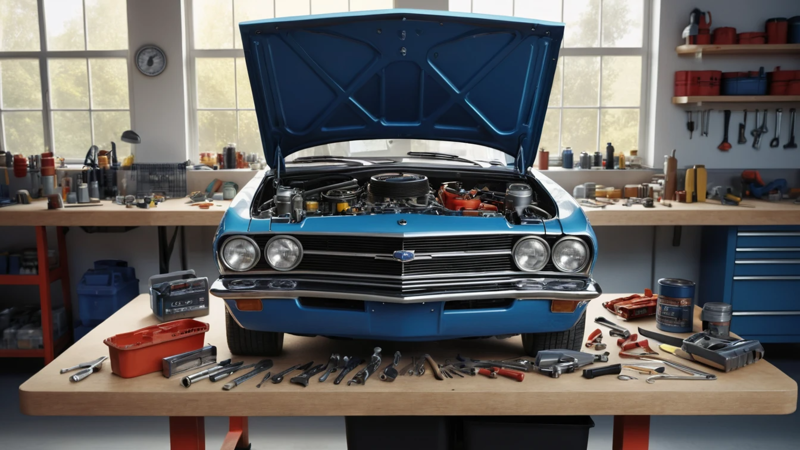
Essential DIY car maintenance tasks to keep your car running smoothly, save money, and avoid costly repairs with simple step-by-step tips.
Want your car to last longer without spending a fortune at the mechanic? Essential DIY car maintenance tasks are simple checks and fixes you can do at home to keep your car running safely and efficiently. These tasks save money, prevent breakdowns, and extend your car’s lifespan—all without needing expert skills.
🚘 What Are Essential DIY Car Maintenance Tasks?
DIY car maintenance means handling basic car care yourself instead of relying on a mechanic. It includes checking fluids, replacing filters, and inspecting tires. These tasks are simple and do not require advanced tools.
Most drivers ignore these small tasks until something breaks. That often leads to costly repairs. But when you follow a routine, you prevent major problems early.
Think of it like brushing your teeth. Small daily care avoids big issues later. The same goes for your car. Regular checks keep everything running smoothly and safely.
🔧 Why DIY Car Maintenance Matters More Than Ever
Car repairs can be expensive. Labor costs alone can be high. Doing simple maintenance yourself saves money instantly.
It also gives you control. You understand your car better. That means fewer surprises on the road.
Another benefit is safety. A well-maintained car reduces accident risks. Things like worn tires or low brake fluid can be dangerous.
👉 “A few minutes of care today can save hours of trouble tomorrow.”
🛠️ Basic Tools You Need For DIY Maintenance
Before you start, you need a few simple tools. Don’t worry—you don’t need a full garage setup.
Here are the basics:
- Wrench set
- Screwdrivers
- Tire pressure gauge
- Funnel
- Jack and jack stands
- Clean cloth or rags
These tools are affordable and last for years. Once you have them, most tasks become easy.
🚗 Check And Change Engine Oil Regularly
Engine oil keeps your engine running smoothly. It reduces friction and prevents overheating.
If oil gets dirty, your engine suffers. That can lead to serious damage over time.
You should check oil once a month. Changing it every 3,000–7,500 miles is ideal.
Steps to check oil:
- Park on level ground
- Pull out the dipstick
- Wipe and reinsert
- Check oil level and color
If it looks dark and thick, it’s time to change.
💧 Monitor All Essential Fluid Levels
Your car runs on multiple fluids, not just oil. Each one plays a key role.
Important fluids include:
- Coolant
- Brake fluid
- Transmission fluid
- Power steering fluid
- Windshield washer fluid
Low fluid levels can cause serious problems. For example, low coolant can overheat your engine.
| Fluid Type | Function | When To Check |
| Engine Oil | Lubricates engine | Monthly |
| Coolant | Prevents overheating | Every 2 weeks |
| Brake Fluid | Ensures braking power | Monthly |
Checking fluids takes just a few minutes. But it can prevent expensive repairs.
🛞 Inspect And Maintain Tire Pressure
Tires affect safety and fuel efficiency. Underinflated tires wear out faster and reduce mileage.
Check tire pressure at least once a month. Use a tire gauge for accuracy.
Look at your car manual for the correct PSI. Do not rely on guesswork.
Also inspect for:
- Cracks
- Uneven wear
- Nails or punctures
Proper tires mean better grip and safer driving.
🔄 Rotate Tires For Even Wear
Tire rotation helps them wear evenly. That extends their lifespan and improves performance.
Most experts recommend rotating tires every 5,000–8,000 miles.
Why is this important? Front tires wear faster due to steering and braking.
By rotating them, you balance the wear across all tires.
👉 Result? Longer tire life and better handling.
🔋 Check Your Car Battery Health
A dead battery can leave you stranded. That’s why regular checks are important.
Look for corrosion on terminals. Clean it if needed.
Also check battery voltage using a tester. If your car struggles to start, the battery may be weak.
Signs of battery problems:
- Slow engine crank
- Dim headlights
- Clicking sound when starting
Replacing a battery is simple and saves time during emergencies.
💡 Replace Burnt-Out Lights Immediately
Lights are crucial for visibility and safety. Driving with a broken light is risky and illegal in many places.
Check all lights regularly:
- Headlights
- Brake lights
- Turn signals
- Interior lights
Replacing bulbs is easy. Most cars allow access without tools.
Don’t wait until someone honks at you to fix it.
🧼 Replace Air Filters For Better Performance
Your car has two main filters:
- Engine air filter
- Cabin air filter
A dirty engine filter reduces fuel efficiency. A clogged cabin filter affects air quality inside.
Replace filters every 12,000–15,000 miles or as needed.
You’ll notice:
- Better acceleration
- Cleaner air inside
- Improved fuel economy
🧽 Keep Your Car Clean Inside And Out
Cleaning your car is not just about looks. Dirt can damage paint and interiors over time.
Wash your car every two weeks. Wax it every few months.
Inside the car:
- Vacuum seats
- Clean dashboard
- Remove trash
A clean car feels better to drive. It also maintains resale value.
🚦 Inspect Brake System Regularly
Brakes are your car’s most important safety feature. Never ignore them.
Listen for unusual sounds like squeaking or grinding.
Check brake pads for wear. If they are thin, replace them.
| Brake Condition | What It Means | Action Needed |
| Squeaking | Worn pads | Replace soon |
| Grinding | Severe wear | Replace immediately |
| Soft pedal | Fluid issue | Check fluid |
Regular brake checks can save lives.
🌡️ Keep An Eye On Engine Temperature
Your engine should not overheat. If it does, it can cause major damage.
Watch the temperature gauge on your dashboard.
If it rises too high:
- Stop driving
- Turn off engine
- Let it cool
Always maintain proper coolant levels to avoid overheating.
🔧 Replace Windshield Wipers For Clear Vision
Wipers wear out over time. Old blades leave streaks and reduce visibility.
Replace them every 6–12 months.
Signs you need new wipers:
- Streaking
- Skipping
- Squeaking noise
Clear vision is essential, especially during rain.
🚘 Check Belts And Hoses For Wear
Belts and hoses keep your engine systems running. If they fail, your car may stop working.
Look for cracks, leaks, or fraying.
Rubber parts degrade over time due to heat and pressure.
Replacing them early prevents breakdowns.
⛽ Improve Fuel Efficiency With Simple Habits
Good maintenance improves fuel economy.
Follow these tips:
- Keep tires properly inflated
- Change oil regularly
- Avoid aggressive driving
- Remove extra weight
Small changes can save a lot of fuel over time.
📋 Create A Monthly Maintenance Checklist
Staying consistent is key. A checklist helps you track everything.
Here’s a simple routine:
- Check oil
- Inspect tires
- Test lights
- Clean car
- Check fluids
| Task | Frequency | Difficulty |
| Oil Check | Monthly | Easy |
| Tire Pressure | Monthly | Easy |
| Battery Check | 3 months | Medium |
Consistency keeps your car in top shape.
🚀 Common Mistakes To Avoid In DIY Maintenance
Even simple tasks can go wrong if you’re not careful.
Avoid these mistakes:
- Using wrong oil type
- Ignoring warning lights
- Overfilling fluids
- Skipping regular checks
Always follow your car manual. It gives the best guidance.
🧠 When To Call A Professional Instead
DIY is great, but not everything should be done at home.
Call a mechanic if you notice:
- Strange engine noises
- Smoke from engine
- Persistent warning lights
Knowing your limits is smart. It prevents bigger problems.
✅ Conclusion
Taking care of your car doesn’t have to be complicated or expensive. These essential DIY car maintenance tasks help you stay safe, save money, and extend your car’s life. Small, regular efforts make a big difference over time. Stay consistent, stay aware, and your car will reward you with smooth, trouble-free rides.
❓ FAQs
- How often should I check car fluids at home?
Check fluids at least once a month. Some, like coolant, may need more frequent checks. Regular monitoring prevents major issues.
- What is the easiest DIY car maintenance task?
Checking tire pressure is the easiest task. It takes only a few minutes. It also improves safety and fuel efficiency.
- Can beginners do DIY car maintenance safely?
Yes, beginners can handle basic tasks. Start with simple checks like oil and tires. Follow instructions carefully for safety.
- How do I know if my car battery is failing?
Look for slow engine starts and dim lights. A clicking sound is also a sign. These indicate a weak battery.
- What monthly car maintenance should I never skip?
Never skip oil checks and tire inspections. These are critical for engine health and safety. Regular checks prevent costly repairs.


