
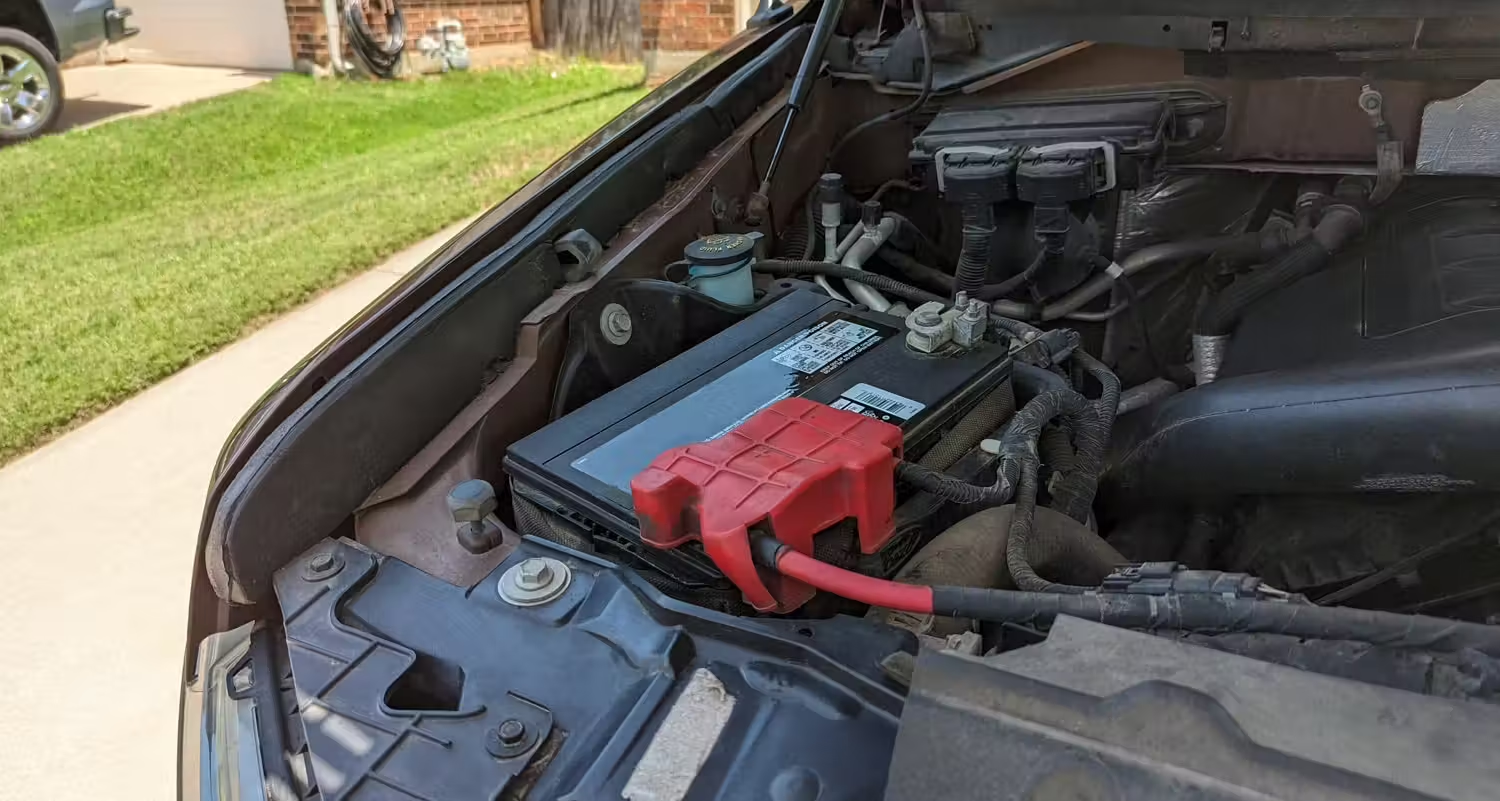
Best Battery For Your Ford F150 guide covering battery types, sizes, lifespan, and replacement tips for reliable truck performance.
The best battery for your Ford F150 depends on your truck’s model year, engine size, climate, and driving habits. Most modern F150 owners benefit from a high-quality AGM battery because it delivers strong starting power, longer life, and better performance for trucks with advanced electronics.
Choosing the Best Battery For Your Ford F150
Have you ever turned the key in your Ford F150 and wondered if your battery would start the engine without hesitation? Many truck owners focus on tires, oil changes, and maintenance, yet they often overlook the battery until it fails unexpectedly. A reliable battery keeps your truck ready for work, road trips, towing, and everyday driving. Choosing the right one can save time, money, and frustration.
Whether you use your Ford F150 for hauling equipment, commuting, or weekend adventures, the battery plays a critical role. The right battery provides dependable starting power and supports all the truck’s electrical systems. Understanding battery options helps you make a smarter investment and avoid unnecessary breakdowns.
🔋 Why Your Ford F150 Battery Matters
Your battery does much more than start the engine. It supplies electricity to lights, infotainment systems, sensors, power windows, and safety features. Modern Ford F150 trucks rely heavily on electronic components that require consistent power.
A weak battery can create unexpected issues throughout the vehicle. You may notice slow engine cranking, dim lights, or warning messages on the dashboard. In some cases, electronic systems may behave unpredictably. Investing in a quality battery improves overall reliability and driving confidence.
Think of your battery as the heart of your truck’s electrical system. When it performs well, everything else operates smoothly. When it begins to fail, problems can quickly appear throughout the vehicle.
🚚 Understanding Ford F150 Battery Requirements
Not all Ford F150 models use the same battery. Battery requirements vary depending on engine size, trim level, and production year. A battery that works perfectly in one truck may not be ideal for another.
Ford engineers select battery specifications based on power demands. Trucks with larger engines, towing packages, and advanced technology often require batteries with higher capacity. Before purchasing a replacement, always verify your owner’s manual recommendations.
Several factors influence battery selection:
- Engine size
- Vehicle year
- Climate conditions
- Electrical accessories
- Towing requirements
- Driving frequency
Choosing the correct specifications helps maximize battery life and vehicle performance.
⚡ Common Battery Types For Ford F150
The market offers several battery technologies suitable for Ford F150 trucks. Each comes with unique benefits and limitations.
Traditional flooded lead-acid batteries remain affordable and widely available. They perform adequately for many drivers and work well in standard conditions. However, they typically require more maintenance and have shorter lifespans.
AGM batteries have become increasingly popular among truck owners. These batteries provide superior durability, stronger starting power, and better vibration resistance. They also support vehicles equipped with start-stop technology and advanced electronics.
| Battery Type | Lifespan | Performance | Maintenance |
| Flooded Lead-Acid | 3-5 Years | Good | Moderate |
| AGM | 4-7 Years | Excellent | Minimal |
| Enhanced Flooded Battery | 4-6 Years | Very Good | Low |
🔍 What Is An AGM Battery?
AGM stands for Absorbent Glass Mat. This technology uses specialized fiberglass mats that hold the electrolyte solution. The design creates a sealed battery that offers several performance advantages.
One major benefit is improved resistance to vibration. Since trucks often experience rough roads and towing conditions, vibration protection becomes extremely valuable. AGM batteries also recharge faster than conventional batteries.
Another advantage is deeper discharge capability. AGM batteries can handle increased electrical demands without suffering excessive wear. This makes them ideal for drivers who use multiple accessories or frequently tow heavy loads.
Many Ford F150 owners choose AGM batteries because they offer an excellent balance of reliability, durability, and long-term value.
🛠️ How To Identify The Correct Battery Size
Battery size refers to the physical dimensions and terminal configuration. Installing the wrong size can create fitment issues and affect performance.
Most Ford F150 models use Group 65 batteries, although some configurations may differ. Always verify the exact group size before purchasing a replacement battery.
You can identify the correct battery size by:
- Checking the owner’s manual
- Looking at the existing battery label
- Consulting a battery fitment guide
- Verifying specifications with a parts professional
Using the correct size ensures secure installation and proper electrical connections.
🌡️ Climate Plays A Bigger Role Than You Think
Weather significantly impacts battery performance. Extreme temperatures place additional stress on battery components and can shorten lifespan.
Cold weather reduces a battery’s ability to produce power. During winter, engines require more energy to start while batteries deliver less available power. This combination creates challenging starting conditions.
Hot climates can be equally damaging. Excessive heat accelerates internal chemical reactions and increases water loss. Over time, this can reduce battery capacity and overall longevity. Choosing a battery designed for your local climate improves long-term performance.
❄️ Understanding Cold Cranking Amps
Cold Cranking Amps, commonly called CCA, measure a battery’s ability to start an engine in cold temperatures. Higher CCA ratings generally provide stronger starting performance.
Drivers in northern regions should pay close attention to CCA ratings. Winter temperatures place heavy demands on both engines and batteries. A battery with insufficient CCA may struggle during freezing conditions.
While higher CCA ratings are beneficial, balance remains important. The best choice is a battery that meets or exceeds your Ford F150’s recommended specifications without being unnecessarily oversized.
🚦 Signs Your Ford F150 Battery Needs Replacement
Battery failures rarely happen without warning. Most batteries provide clues before they stop working completely.
Common warning signs include:
- Slow engine cranking
- Dashboard battery warning light
- Dim headlights
- Electrical glitches
- Frequent jump starts
- Corroded terminals
If you notice several of these symptoms, testing the battery becomes essential. Early replacement helps prevent inconvenient breakdowns and unexpected service calls.
Many drivers wait until a battery completely fails. Replacing it proactively often saves both time and money.
⏳ How Long Does A Ford F150 Battery Last?
Battery lifespan depends on driving conditions, maintenance habits, and environmental factors. Most Ford F150 batteries last between three and seven years.
Short trips can reduce battery life because the charging system has less time to replenish energy. Frequent stop-and-go driving also increases electrical demand.
Drivers who regularly take longer trips often enjoy longer battery life. Consistent charging cycles help maintain battery health and reduce stress on internal components.
| Driving Condition | Expected Battery Life |
| Mostly Highway Driving | 5-7 Years |
| Mixed Driving | 4-6 Years |
| Frequent Short Trips | 3-5 Years |
| Extreme Heat Exposure | 3-4 Years |
🔧 Battery Maintenance Tips
Proper maintenance can significantly extend battery lifespan. Simple inspections and cleaning routines help prevent common issues.
Start by checking battery terminals regularly. Corrosion can interfere with electrical connections and reduce charging efficiency. Cleaning terminals helps maintain strong conductivity.
You should also ensure the battery remains securely mounted. Excessive vibration can damage internal components and shorten lifespan. A secure battery experiences less physical stress during daily driving.
Helpful maintenance practices include:
- Inspect terminals monthly
- Clean corrosion promptly
- Check mounting brackets
- Test battery annually
- Keep connections tight
These small steps can add years to battery performance.
🚙 Best Battery Features To Look For
Shopping for a battery involves more than comparing prices. Several features contribute to long-term value and reliability.
Reserve capacity is one important specification. It indicates how long a battery can provide power if the alternator fails. Higher reserve capacity offers additional protection during emergencies.
Warranty coverage also matters. A longer warranty often reflects manufacturer confidence in product quality. While warranty length should not be the only factor, it provides useful insight into expected durability.
Look for batteries that offer:
- High CCA ratings
- Strong reserve capacity
- Vibration resistance
- Maintenance-free design
- Solid warranty protection
💰 Should You Buy The Cheapest Battery?
Budget considerations are important, but the cheapest battery may not provide the best value. Lower-cost batteries often have shorter lifespans and reduced performance capabilities.
A premium battery usually costs more upfront but can deliver longer service life. The additional durability often offsets the initial price difference over time.
Think about how you use your truck. If your Ford F150 regularly handles towing, off-road driving, or heavy workloads, investing in a higher-quality battery typically makes financial sense.
“Buying a quality battery once is often cheaper than replacing a low-cost battery twice.”
🚛 Battery Considerations For Towing And Heavy Work
Many Ford F150 owners use their trucks for towing trailers, boats, or equipment. These activities place additional demands on the electrical system.
Towing often involves extra lighting, trailer brakes, and accessory power requirements. A stronger battery helps support these systems while maintaining reliable starting performance.
Drivers who regularly haul heavy loads should prioritize batteries with higher reserve capacity and enhanced durability. AGM batteries are especially popular among towing enthusiasts because of their superior performance under demanding conditions.
🔌 How Modern Electronics Affect Battery Choice
Today’s Ford F150 models include sophisticated technology. Features such as touchscreen displays, driver assistance systems, remote start, and connected services increase electrical demand.
These systems continue drawing power even when the engine is off. Over time, this creates additional stress on the battery.
Modern trucks benefit greatly from advanced battery technologies. AGM batteries handle these demands more effectively than many conventional alternatives. As electronic features continue expanding, battery quality becomes increasingly important.
| Feature | Impact On Battery |
| Remote Start | Moderate |
| Large Touchscreen | Moderate |
| Driver Assistance Systems | High |
| Start-Stop Technology | Very High |
| Trailer Electronics | High |
🏆 Choosing Between OEM And Aftermarket Batteries
Truck owners often debate whether to purchase an OEM or aftermarket battery. Both options can perform well when selected carefully.
OEM batteries are designed to meet factory specifications. They offer compatibility and convenience, making them a popular choice for many owners.
Quality aftermarket batteries frequently provide equal or better performance. Some even offer higher CCA ratings, longer warranties, and advanced technology. The key is selecting a reputable manufacturer with proven reliability.
Focus on specifications and quality rather than simply choosing based on branding.
🔄 When Is The Best Time To Replace A Battery?
Waiting for complete battery failure is rarely ideal. Proactive replacement reduces the risk of getting stranded unexpectedly.
Many experts recommend testing batteries annually after the third year of service. Regular testing helps identify declining performance before problems become severe.
If your battery approaches five years of age, replacement becomes a smart consideration. This is especially true before winter arrives or before taking long road trips.
Planning ahead gives you more choices and avoids emergency purchases.
🚀 Final Thoughts On Choosing The Best Battery For Your Ford F150
Choosing the best battery for your Ford F150 comes down to matching your truck’s needs with the right battery technology. Factors such as battery size, CCA rating, climate, towing demands, and electronic features all play important roles. While traditional batteries remain an option, AGM batteries often provide the best overall performance for modern F150 trucks.
A quality battery improves reliability, supports advanced electronics, and reduces the risk of unexpected breakdowns. By selecting the correct specifications and maintaining the battery properly, you can enjoy years of dependable performance. Your Ford F150 works hard every day, and it deserves a battery that can keep up.
❓ FAQs
What Is The Best AGM Battery For A Ford F150?
A high-quality AGM battery with the correct group size and CCA rating is usually the best choice. AGM batteries offer excellent durability and strong starting power. They also support modern truck electronics effectively.
How Do I Know Which Battery Fits My Ford F150?
Check your owner’s manual or the label on the existing battery. Verify the group size, CCA rating, and terminal layout. Matching factory specifications ensures proper fitment and performance.
Can I Upgrade To A Larger Battery In My Ford F150?
In some cases, yes. However, the battery must fit the tray and meet electrical requirements. Always confirm compatibility before installing a larger battery.
How Often Should I Test My Ford F150 Battery?
Battery testing should begin annually after three years of use. Regular testing helps identify weakening performance early. This reduces the risk of unexpected failure.
Is An AGM Battery Worth It For Daily Driving?
For most drivers, yes. AGM batteries provide longer life, improved reliability, and stronger performance. They also handle modern electronic systems more efficiently than many traditional batteries.
